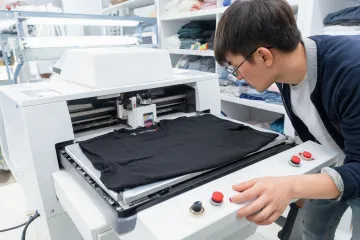
DTG Printers
For garment decorators that need controlled white ink handling, platen repeatability, and clean handoff from artwork to press.
Compare DTG lines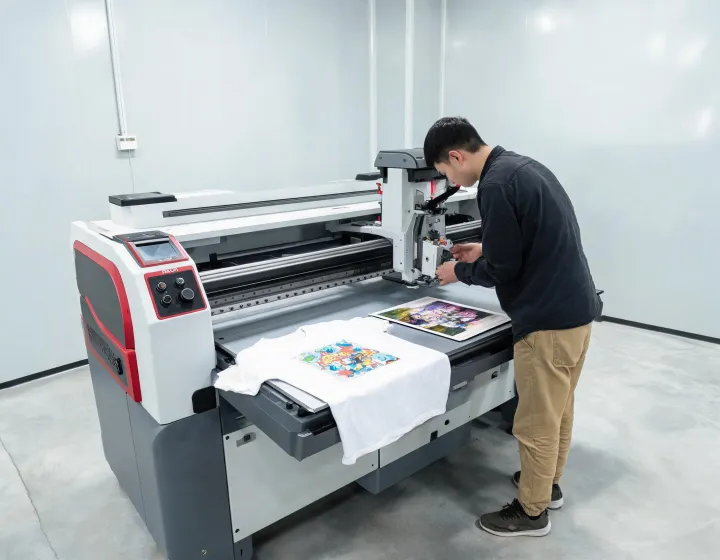
Specify printer families, ink workflows, color control, and service paths from one concise production view built for busy print managers.
Each category below is framed around shop-floor decisions: substrate, ink behavior, finishing step, and operator handoff.
For garment decorators that need controlled white ink handling, platen repeatability, and clean handoff from artwork to press.
Compare DTG lines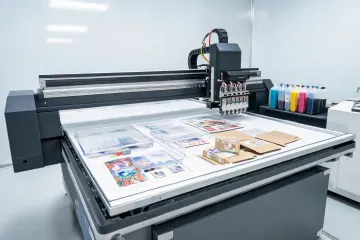
For signage, promotional objects, fixtures, and packaging samples where adhesion, curing, and fixture setup decide throughput.
Review UV printers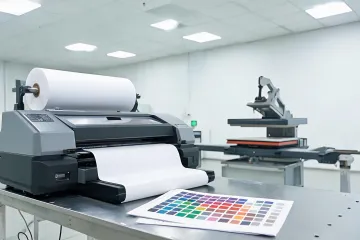
For transfer-heavy operations balancing roll media, profile accuracy, dryer timing, and heat-press capacity across shifts.
Study sublimation options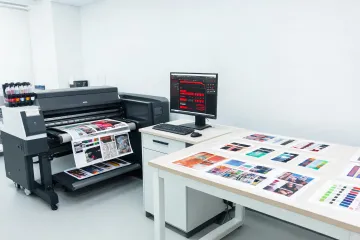
For production teams that need documented print modes, substrate notes, and predictable maintenance windows before scaling output.
Open inkjet catalogMap white ink, pretreatment, UV curing, sublimation transfer, or aqueous inkjet modes before purchase discussions start.
Separate daily cleaning, nozzle checks, media loading, and color verification into steps a production lead can schedule.
Review remote support, part routing, preventive maintenance, and training expectations alongside printer capability.
Compare fixture time, consumable use, expected spoilage, and finishing bottlenecks against real job mix, not brochure speed alone.
DTG handles direct garment decoration, while DTF and sublimation routes may fit transfer-led workflows or polyester-heavy jobs.
UV belongs in short-run rigid object, signage, fixture, and packaging sample work where fast curing and surface adhesion matter.
The inquiry path captures ink set, substrate, print mode, and target shift output so a specialist can frame consumable assumptions.
Yes. Operator onboarding, maintenance rhythm, color checks, and escalation contacts can be scoped before equipment is committed.
The catalog page reads dynamic product data, so card names and product images can update without changing the static template.
The planning form can cover apparel, signage, packaging, promotional objects, and industrial marking in one request.
Share your job mix and service expectations. The response can focus on practical production fit instead of a generic printer brochure.